Showing posts with label cyber. Show all posts

17 May 2017

What we currently know about the global cyberattack

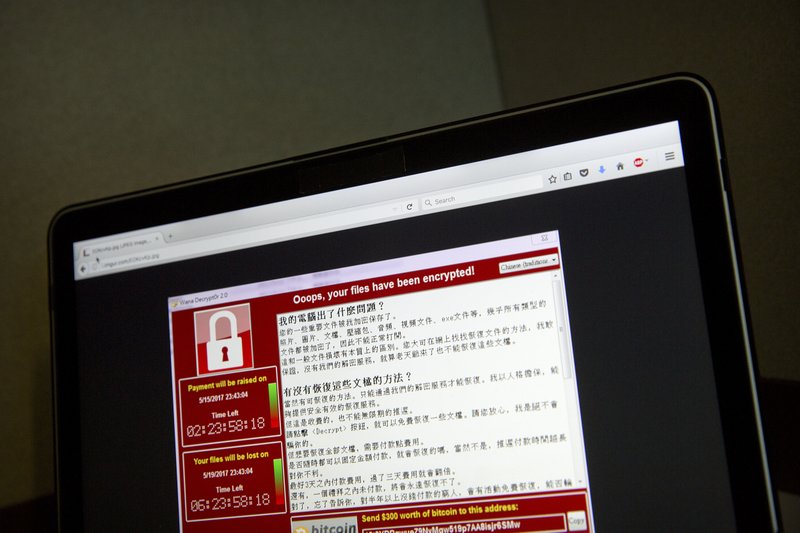
In this May 13, 2017 file photo, a screenshot of the warning screen from a purported ransomware attack, as captured by a computer user in Taiwan, is seen on laptop in Beijing. Global cyber chaos is spreading Monday, May 14, as companies boot up computers at work following the weekend’s worldwide “ransomware” cyberattack. The extortion scheme has created chaos in 150 countries and could wreak even greater havoc as more malicious variations appear. The initial attack, known as “WannaCry,” paralyzed computers running Britain’s hospital network, Germany’s national railway and scores of other companies and government agencies around the world.
As danger from a global cyberattack that hit some 150 nations continues to fade, analysts are starting to assess the damage.

Hard-hit organizations such as the U.K.’s National Health Service appear to be bouncing back, and few people seem to have actually paid the ransom. But the attack has served as a live demonstration of a new type of global threat, one that could encourage future hackers.

Here’s what we currently know about the ransomware known as WannaCry, which locked up digital photos, documents and other files to hold them for ransom.

8 March 2017

WikiLeaks reveals CIA files describing hacking tools

This is Thursday, Jan. 12, 2017 file photo of the new CIA Director Michael Pompeo, as he testifies on Capitol Hill in Washington. WikiLeaks has published thousands of documents that it says come from the CIA's Center for Cyber Intelligence, a dramatic release that appears to give an eye-opening look at the intimate details of the agency's cyberespionage effort. 
WikiLeaks published thousands of documents Tuesday described as secret files about CIA hacking tools the government employs to break into users' computers, mobile phones and even smart TVs from companies like Apple, Google, Microsoft and Samsung.

The documents describe clandestine methods for bypassing or defeating encryption, antivirus tools and other protective security features intended to keep the private information of citizens and corporations safe from prying eyes. U.S. government employees, including President Donald Trump, use many of the same products and internet services purportedly compromised by the tools.